
KEY TAKEAWAYS
What buyers should know
Pressure is only one part of the story. Understand airflow, air-path design and the questions OEM buyers should ask before comparing handheld vacuums.
30,000Pa vs 22,000Pa vs 19,500Pa — Does Higher Pa Always Mean Better Cleaning?
A headline suction figure is easy to compare, but it is not a complete description of cleaning performance. A buyer choosing between 30,000Pa, 22,000Pa and 19,500Pa should first ask how each figure was measured. Was the inlet sealed? Was the filter fitted? Which power mode and battery condition were used? Without those details, a larger number can create confidence without establishing a meaningful advantage.
For overseas brands, importers and wholesalers, the more useful question is whether the complete vacuum removes the intended debris effectively with its production nozzle, filter and battery. This guide explains vacuum suction vs airflow and introduces DRC’s airflow-focused approach to the VC013 configuration discussed here. It does not present a measured comparison between specific competing products.
What Does Pa Mean in Vacuum Cleaners?
Pa, or pascal, is a unit of pressure. In a vacuum cleaner specification, it describes a pressure difference, generally between the lower-pressure inlet and the surrounding atmosphere. It does not describe how much air moves through the machine. A pressure value therefore cannot be converted directly into litres per second or cubic feet per minute.
Maximum static suction is commonly associated with a highly restricted or sealed inlet. At a fully sealed inlet, there is no useful through-flow to carry debris away, even though the pressure difference can be high. Cleaning takes place with air entering through an opening, so the operating conditions differ from a sealed-pressure measurement. Ask suppliers to identify both the measurement location and the configuration used.
Vacuum Suction Pressure vs Airflow: What’s the Difference?
Pressure difference helps move air against resistance. Airflow describes the volume of air passing through the system over time, commonly expressed in L/s or CFM. The two are related through the motor, impeller and resistance of the complete air path, but neither can replace the other as a specification.
Air movement helps transport loosened dust from the surface through the nozzle and into the collection system. The nozzle must also reach the debris, and the filter must retain it without imposing excessive resistance. An effective design balances these requirements. Strong suction at one measurement point does not prove strong pickup across seats, keyboards, crevices and other real surfaces.
For a useful comparison, measure pressure and airflow under defined operating conditions. Do not combine a maximum pressure figure from a closed inlet with maximum airflow from a different, unrestricted setup and treat them as one simultaneous operating result.
Can a 19,500Pa Vacuum Deliver Better Airflow Than a 22,000Pa Model?
Yes, this is technically possible. Two products can have different pressure-flow characteristics. A design rated at 22,000Pa may move less air at a particular operating restriction than an optimized design rated at 19,500Pa. That possibility explains why pressure labels alone cannot rank cleaning performance; it does not establish that any particular lower-pressure model is better.
The same caution applies to a 30,000Pa claim. Higher available pressure may be useful when overcoming resistance, but its practical value depends on the operating airflow and cleaning head. There is no universal rule that all 19,500Pa products outperform 22,000Pa products, or that the highest pressure always wins.
No controlled VC013-versus-22,000Pa airflow dataset is presented here. A product-specific conclusion requires comparable instruments, accessories, filter condition, battery state and debris trials. Treat the pressure figures as nominal examples for understanding the principle, not as results from a competitive laboratory test.
Why Motor, Impeller and Internal Airflow Design Matter
The motor supplies mechanical power, while the impeller and surrounding geometry determine how that power produces pressure and moving air. Motor input wattage alone does not reveal how much useful air power reaches the nozzle. Clearances, sealing, air-path transitions and the relationship between components all influence the finished system.
Inside a compact handheld vacuum, sharp changes in direction, narrow passages and poorly matched connections can introduce losses. Filter area and filter loading also matter: performance with a clean filter can differ from performance after collecting dust. A well-designed air path must work with filtration rather than bypass it to produce an attractive number.
The outer housing supports handling and protection, while the inner structure organizes components and the airflow path. Materials and assembly tolerances matter alongside geometry. Buyers should evaluate the complete production configuration rather than infer performance from a motor photograph, metal exterior or isolated suction specification.
VC013 Handheld Vacuum Cleaner: Engineering and Practical Features
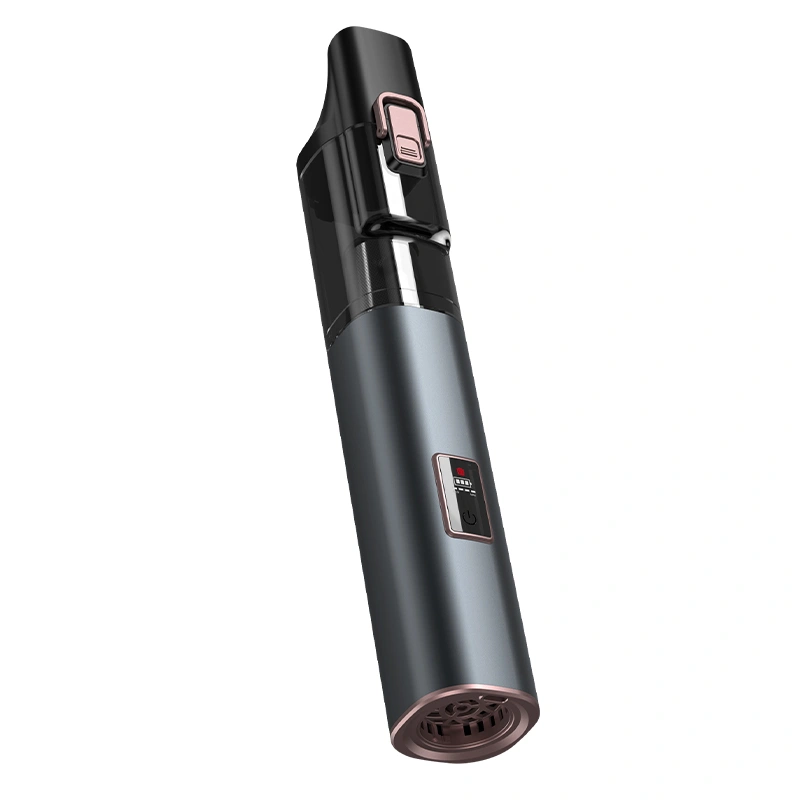
The VC013 19,500Pa configuration discussed in this article emphasizes effective airflow and practical cleaning efficiency. This is a configuration-specific positioning, not a claim of measured superiority over every higher-Pa vacuum. Confirm the exact motor, mode and approved performance specification when requesting a sample or quotation; other VC013 configurations can carry different suction ratings.
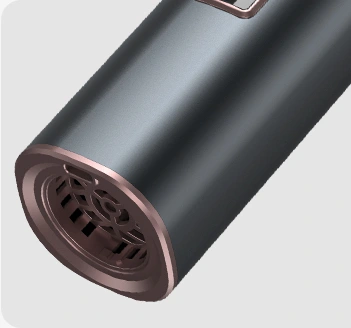
VC013 combines a metal housing with an engineered inner and outer housing arrangement. These features bring structural design and product presentation into the same purchasing discussion. They should be assessed through the actual sample, including grip, assembly fit, accessory connection and access for routine cleaning.
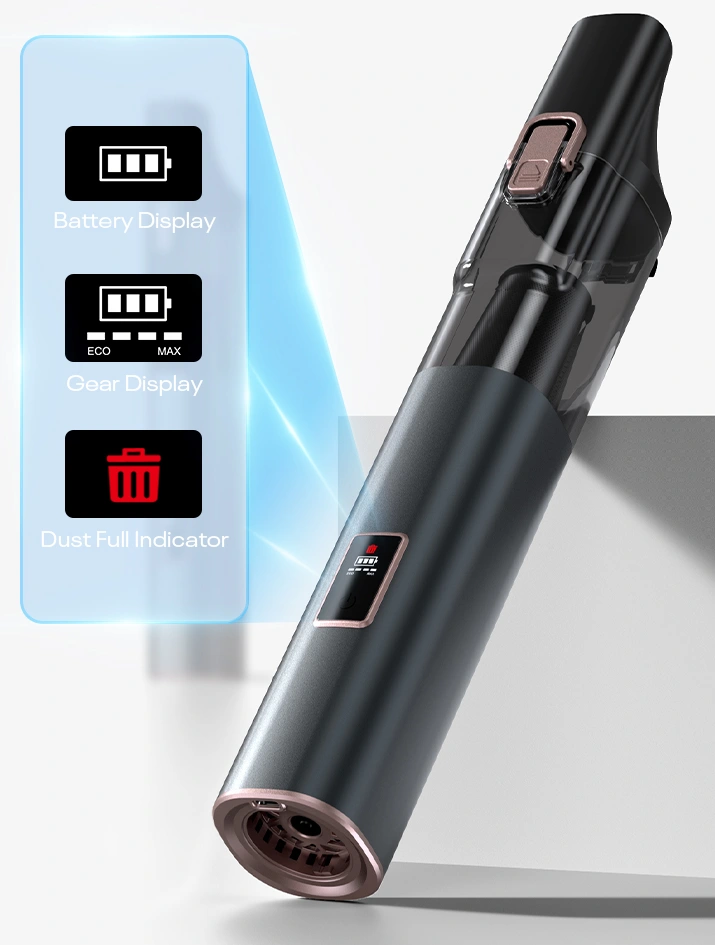
The digital display and dust-full reminder support everyday operation. A display can make operating information easier to see, while the reminder helps draw attention to maintenance. They do not replace emptying the dust cup, inspecting the filter or following the supplied instructions. Evaluate the actual display behaviour and reminder function on the configuration selected for your market.
For an OEM handheld vacuum cleaner program, the objective is a balanced product: useful pickup, manageable maintenance, clear user information and a configuration that can be reproduced consistently. Request a demonstration using representative debris and the accessories that will actually ship.
What OEM Buyers Should Check Before Selecting a Vacuum Cleaner
Start with the application. Fine dust in a keyboard, crumbs on a car seat and debris in a narrow trim gap place different demands on nozzle access and air movement. Define surfaces, debris, attachments and the intended cleaning routine before comparing samples.
Then request the pressure measurement method, airflow measurement location, operating mode and battery condition. Compare units with equivalent filters and dust-loading conditions. Record pickup results, not just the instrument display. Any numerical performance claim intended for packaging should be tied to a documented method and the approved configuration.
Finally, review serviceability and manufacturing consistency. Check filter removal, dust emptying, housing fit, accessory retention and display readability. Agree how approved samples, component changes and inspection records will be controlled. This makes a handheld vacuum cleaner manufacturer comparison more useful than a spreadsheet sorted only by Pa.
Why Work With DRC as an OEM/ODM Manufacturer?
Dongguan DRC Electronics is an automotive cleaning and safety products OEM/ODM manufacturer. Its manufacturing capabilities include in-house R&D, tooling, injection molding, SMT, assembly and testing. These capabilities connect product structure, component integration and production quality control within an OEM/ODM project.
Discuss your target customer, product positioning and maintenance expectations with the manufacturing team. For VC013, request confirmation of the intended pressure configuration and a sample evaluation plan. Any certificate or test document must be checked for its actual model, configuration and scope; factory-level statements should not be treated as blanket certification of an individual product.
FAQ
Is higher Pa always better?
No. Pa describes pressure difference. Cleaning also depends on operating airflow, nozzle interaction, filtration, debris and surface conditions. Comparable tests are needed to establish a practical advantage.
Can I convert Pa into CFM or L/s?
No direct conversion is possible. Pressure and volumetric airflow are different quantities. An airflow measurement or a relevant pressure-flow curve is needed for the defined operating configuration.
Does DRC claim VC013 beats every 22,000Pa vacuum?
No. The article explains a technical possibility and the positioning of a 19,500Pa configuration. It does not publish a verified competitor comparison or claim universal superiority.
What should I request with a VC013 quotation?
Request the exact configuration, accessories, filter arrangement, display functions and documented performance conditions. Confirm sample evaluation requirements and any market-specific documentation before finalizing the order.
Contact DRC / Request a Quotation
Looking for an OEM handheld vacuum cleaner with a metal housing, digital display and airflow-focused engineering? Contact Dongguan DRC Electronics to discuss VC013 configurations, sample evaluation and your branding requirements.
Explore VC013 handheld vacuum cleaners